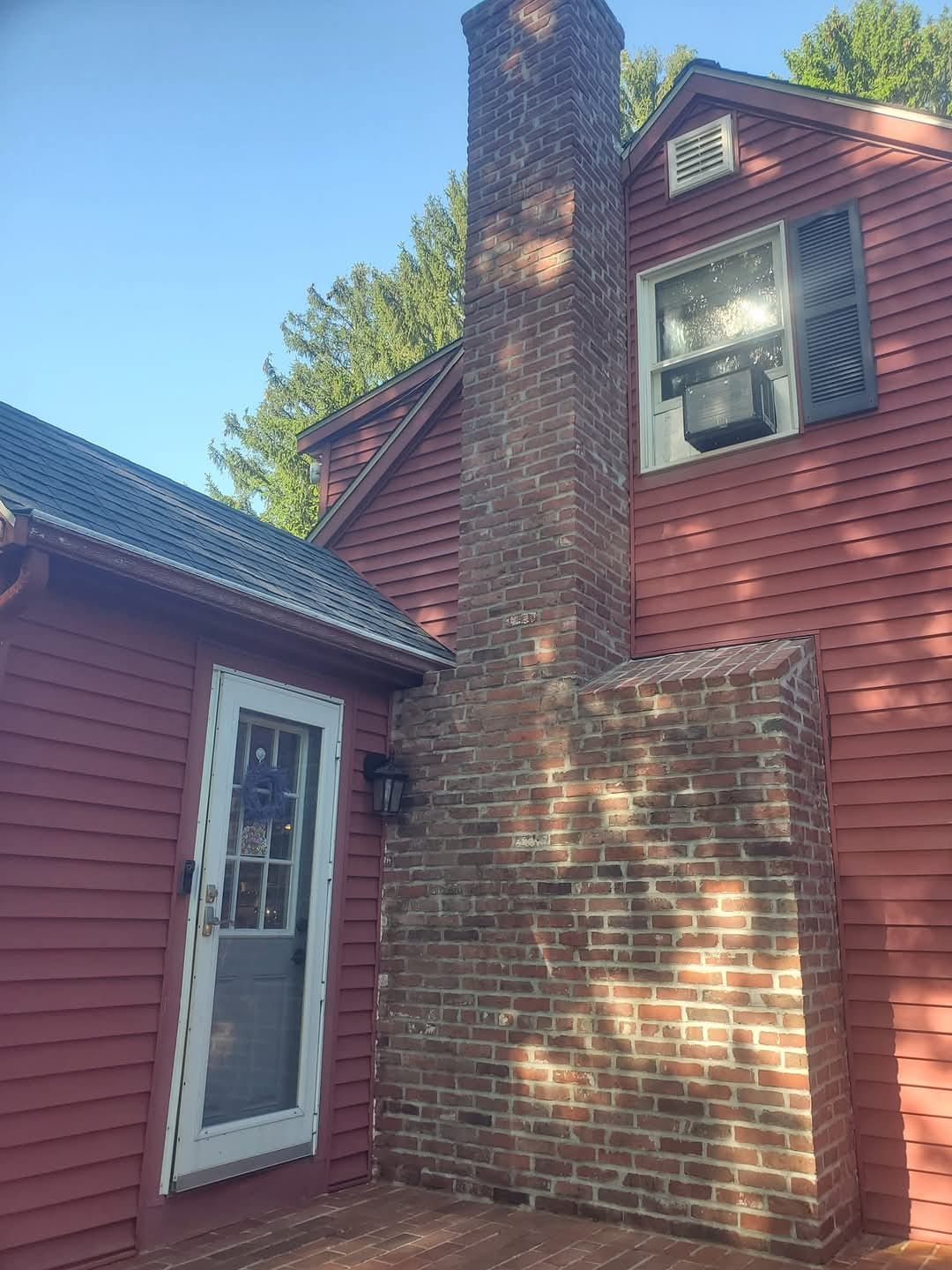
Enduring Beauty: The Integral Role of Masonry in Contemporary Architecture Jun 12, 2026
Masonry's Role in Modern Architecture
In today's architectural landscape, the demand for sustainable, durable, and visually striking materials is greater than ever. Masonry meets these criteria, offering unmatched longevity and resilience. It provides buildings with exceptional compressive strength, making it ideal for load-bearing structures. Moreover, masonry offers excellent thermal mass, enhancing energy efficiency by maintaining stable indoor temperatures regardless of external weather conditions.
As urbanization evolves, architects and builders increasingly lean towards materials that promise sustainability without compromising on design. Masonry fulfills this need, delivering buildings that are both eco-friendly and enduring. Using locally sourced stone or brick not only reduces transportation emissions but also integrates structures seamlessly into their natural surroundings.
Aesthetic Versatility and Design Flexibility
The aesthetic versatility of masonry is unparalleled. With an array of textures, colors, and patterns, masonry can be customized to suit any design aesthetic, from rustic to modern. This flexibility allows architects to play with an array of stylistic possibilities. Whether it’s the warm tones of brick, the rugged beauty of stone, or the sleek finish of contemporary masonry materials, each can be tailored to reflect a specific vision.
Moreover, masonry's ability to blend with other materials adds an extra layer of intrigue to architectural designs. Whether paired with glass, steel, or wood, masonry enhances dimensionality, resulting in structures that are both innovative and timeless.
Advancements in Masonry Techniques
The tradition of masonry is steeped in history, yet it continues to evolve with technological advancements. Today's masonry incorporates modern techniques and materials to enhance durability, reduce costs, and improve aesthetic appeal. For instance, the use of reinforcing steel and advanced mortar techniques has revolutionized how masonry withstands natural forces.
Additionally, prefabricated masonry units and computer-aided design (CAD) have streamlined construction processes, allowing for faster and more precise erections. Innovations such as these ensure masonry remains at the forefront of architectural techniques, offering efficient solutions that do not compromise on quality or design.
Restoration and Preservation: Keeping Heritage Alive
James T. Coughlan Restoration takes pride in the role that masonry plays in conserving architectural heritage. Historic structures often feature intricate masonry work that speaks volumes about past craftsmanship. Through meticulous restoration, these structures are preserved, allowing future generations to appreciate their beauty and historical significance.
Restoration not only involves repairing and replacing aged materials but also preserving the original fabric of the building. This requires a delicate balance of traditional techniques and modern restoration methods, ensuring the integrity and aesthetics of historic structures remain intact.
Conclusion: Building a Sustainable Future with Masonry
As we look to the future, James T. Coughlan Restoration envisions a world where masonry continues to be a cornerstone of architectural innovation. Its enduring beauty, structural benefits, and sustainable qualities make it an ideal choice for contemporary architecture. By choosing masonry, architects, builders, and homeowners contribute to a sustainable future, where the built environment not only meets the needs of today but also preserves the world for tomorrow. Whether it's through constructing new edifices or preserving the legacy of centuries-old structures, masonry holds the key to architectural longevity and sustainability.
/filters:no_upscale()/filters:format(webp)/media/f0ce834c-0d5a-47a5-b892-ab9a804ed1f3.jpeg)
/filters:no_upscale()/filters:format(webp)/media/9f19c702-e396-4ed7-acc9-29e56a0fd676.jpeg)