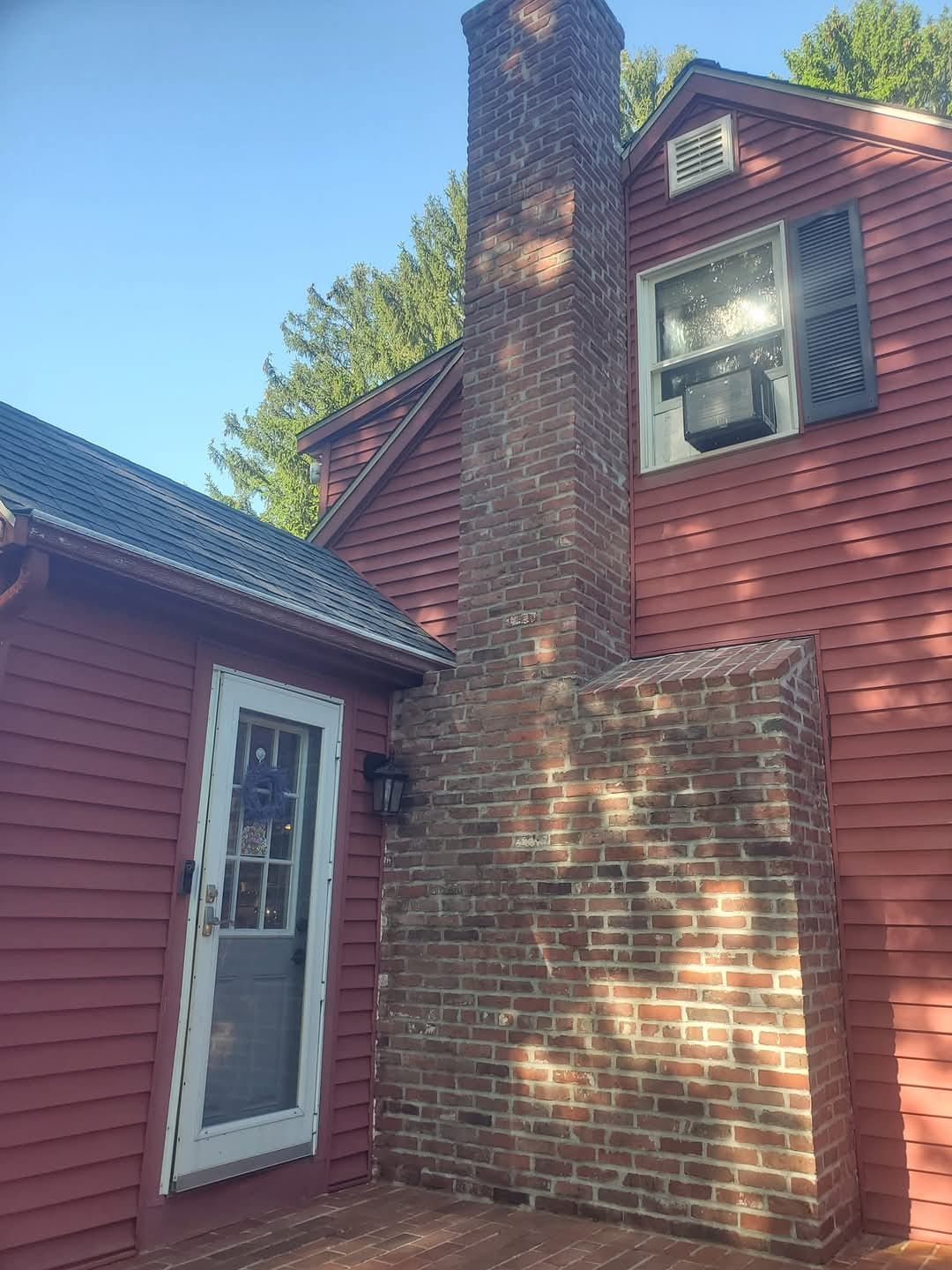
Heritage Meets Innovation: How Modern Masonry Saves Historical Structures May 27, 2026
The significance of preserving historical buildings lies not just in maintaining their beauty but in understanding their value as cultural artefacts that offer insight into our past. Each stone and brick tells a story, making it essential to preserve these edifices with care and expertise. James T. Coughlan Restoration plays a pivotal role in this process by applying modern masonry techniques to save and restore these venerable structures.
To appreciate how modern masonry acts as a lifeline for these historical structures, it’s important to understand the techniques involved. Traditional methods of construction often used materials and techniques that, over time, were subject to wear and breakage. Issues such as weathering, moisture infiltration, and the simple passage of time can undermine the integrity of these constructions. This is where the innovation of modern masonry steps in.
One of the ways modern masonry supports the restoration of historical structures is through the use of advanced, breathable materials. These newer materials ensure that restored portions of buildings integrate seamlessly with the original fabric, allowing moisture to escape while maintaining the building's aesthetic and historical value. This technique prevents future deterioration, ensuring the longevity and stability of the structure.
Additionally, the application of innovative technology such as 3D scanning and modeling allows for precise restoration work. These technologies enable masons to analyze structural damage with pinpoint accuracy before intervention, ensuring that every replacement stone or brick matches the original in shape, size, and texture. Such precision keeps the authenticity of the historical structure intact, providing peace of mind to architects, preservationists, and historians alike.
In terms of sustainability, modern masonry practices often incorporate eco-friendly techniques. This includes the reutilization of salvaged materials where possible, thus minimizing waste and preserving the historical material’s integrity. The commitment to sustainability enhances not only the environmental footprint of a restoration project but also resonates with the growing demographic of environmentally-conscious clients.
The craftsmanship demonstrated by James T. Coughlan Restoration also speaks to a wider appreciation for quality and detail in today’s architectural restorations. With a profound respect for historical context, each project undertaken is not just about stone and mortar but is a celebration of legacy and an investment in the future.
Conclusively, whether you’re an architect, a historian, or someone with a deep appreciation for history, understanding the blend of traditional craftsmanship and modern technology in masonry can deepen your appreciation for restored historical structures. By choosing a company like James T. Coughlan Restoration, you ensure that these monuments of history stand the test of time, elegantly preserving our past for generations to come.
In preserving historical buildings, we are not just conserving materials; we are safeguarding the stories that connect us to our rich heritage. Through modern masonry, these stories continue to be told, withstanding the evolving tides of time.
/filters:no_upscale()/filters:format(webp)/media/f0ce834c-0d5a-47a5-b892-ab9a804ed1f3.jpeg)
/filters:no_upscale()/filters:format(webp)/media/9f19c702-e396-4ed7-acc9-29e56a0fd676.jpeg)