Sustainable Craftsmanship: Eco-Friendly Practices in Modern Masonry Dec 20, 2025
At its core, eco-friendly masonry focuses on minimizing the environmental impact during construction and demolition processes. James T. Coughlan Restoration achieves this by selecting sustainable materials, implementing waste-reduction strategies, and conserving energy without compromising the integrity and aesthetic appeal of their work.
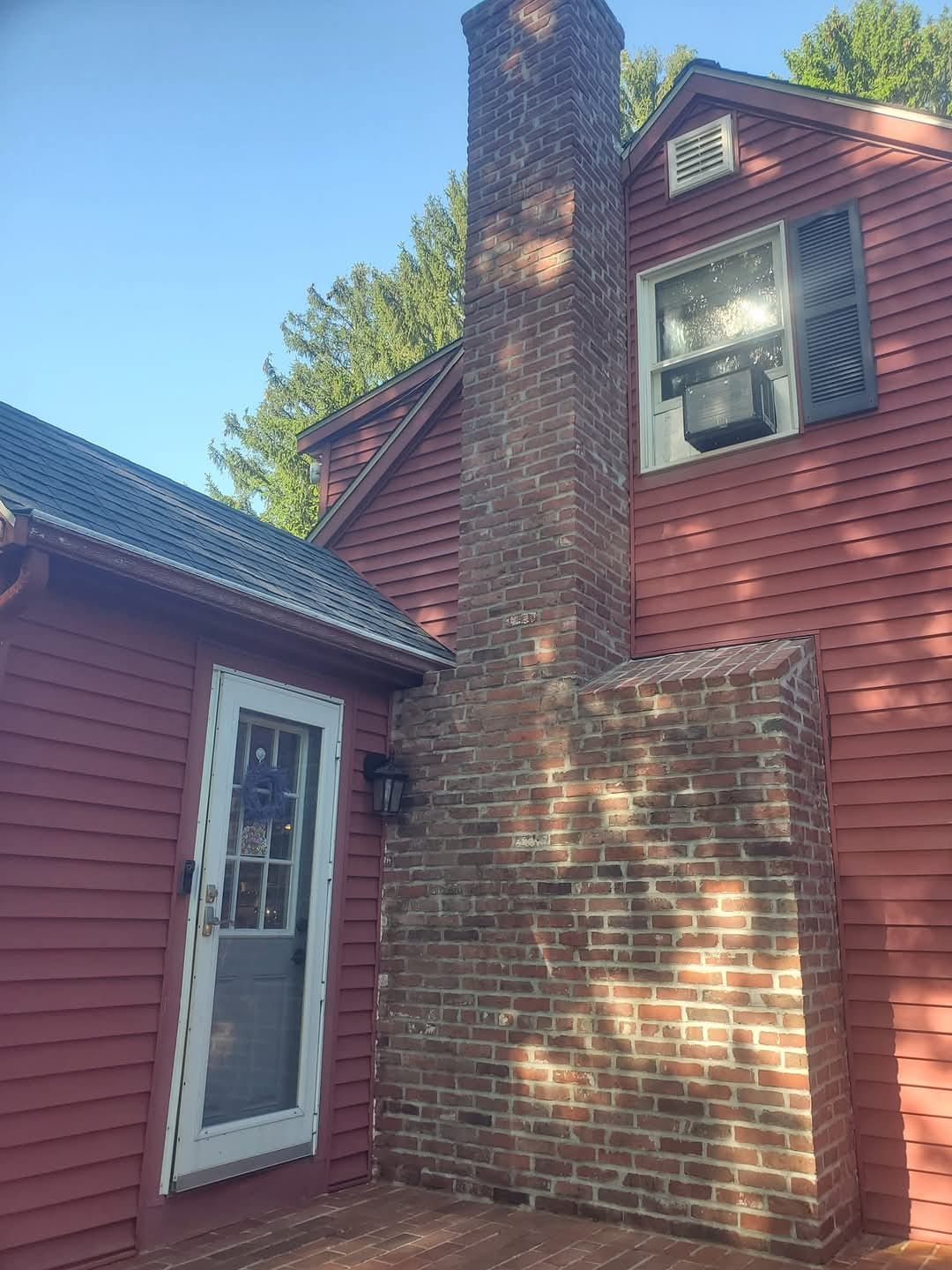
One of the primary strategies involves the use of sustainable materials. Choosing locally sourced, recycled, or renewable materials reduces the carbon footprint associated with transportation and production. For instance, reclaimed bricks and salvaged stone not only avoid the environmental costs of new production but also bring historical character and unique aesthetics to new projects. Using supplementary cementitious materials like fly ash or slag cement in the production of concrete also reduces the reliance on traditional Portland cement, which is a significant source of CO2 emissions.
Energy efficiency is another cornerstone of sustainable masonry practices. During restoration projects, effective insulation techniques are used to enhance building energy efficiency. Utilizing materials with superior thermal mass, such as masonry walls, helps maintain indoor temperature and reduce reliance on heating and cooling systems. The choice of lighter materials for exterior finishes or integrating green building practices, such as living walls, further contribute to energy conservation.
Waste management practices are integral to eco-friendly masonry. Reducing, reusing, and recycling demolition waste significantly cuts down landfill usage. James T. Coughlan Restoration implements on-site sorting systems to ensure that as much material as possible is recycled or reused. This not only prevents waste but also often leads to financial savings, which can be passed on to clients.
The role of technology cannot be overlooked in modern sustainable craftsmanship. Innovations like computer-aided design (CAD) allow for precise planning, which minimizes material waste and optimizes resource usage. Moreover, 3D modeling can help visualize projects with minimal physical resources, aligning with waste reduction goals.
Education and training are also essential in embedding eco-friendly practices within masonry workforces. By staying informed about the latest sustainable practices and technologies, James T. Coughlan Restoration ensures their team can implement eco-friendly strategies effectively. Continuous learning and adaptation enable the team to meet the evolving green standards in the construction industry.
Lastly, community engagement is crucial. Educating clients about the benefits of sustainable materials and practices not only encourages their use but also increases awareness of their long-term benefits, both environmentally and economically. This dialog fosters shared responsibility and commitment to sustainability between the company and its clients.
In conclusion, the melding of traditional skills with modern green practices positions James T. Coughlan Restoration as a responsible leader in the masonry industry. By prioritizing eco-friendly methods, not only does the company help protect our planet, but it also delivers craftsmanship that stands the test of time in both quality and sustainability. As both environmental concerns and consumer expectations evolve, adopting sustainable practices in masonry is not just an option; it is a necessity for future-focused craftsmanship.
/filters:no_upscale()/filters:format(webp)/media/f0ce834c-0d5a-47a5-b892-ab9a804ed1f3.jpeg)
/filters:no_upscale()/filters:format(webp)/media/9f19c702-e396-4ed7-acc9-29e56a0fd676.jpeg)